
台灣永續經營發展協會理事長林蓁醫師專訪
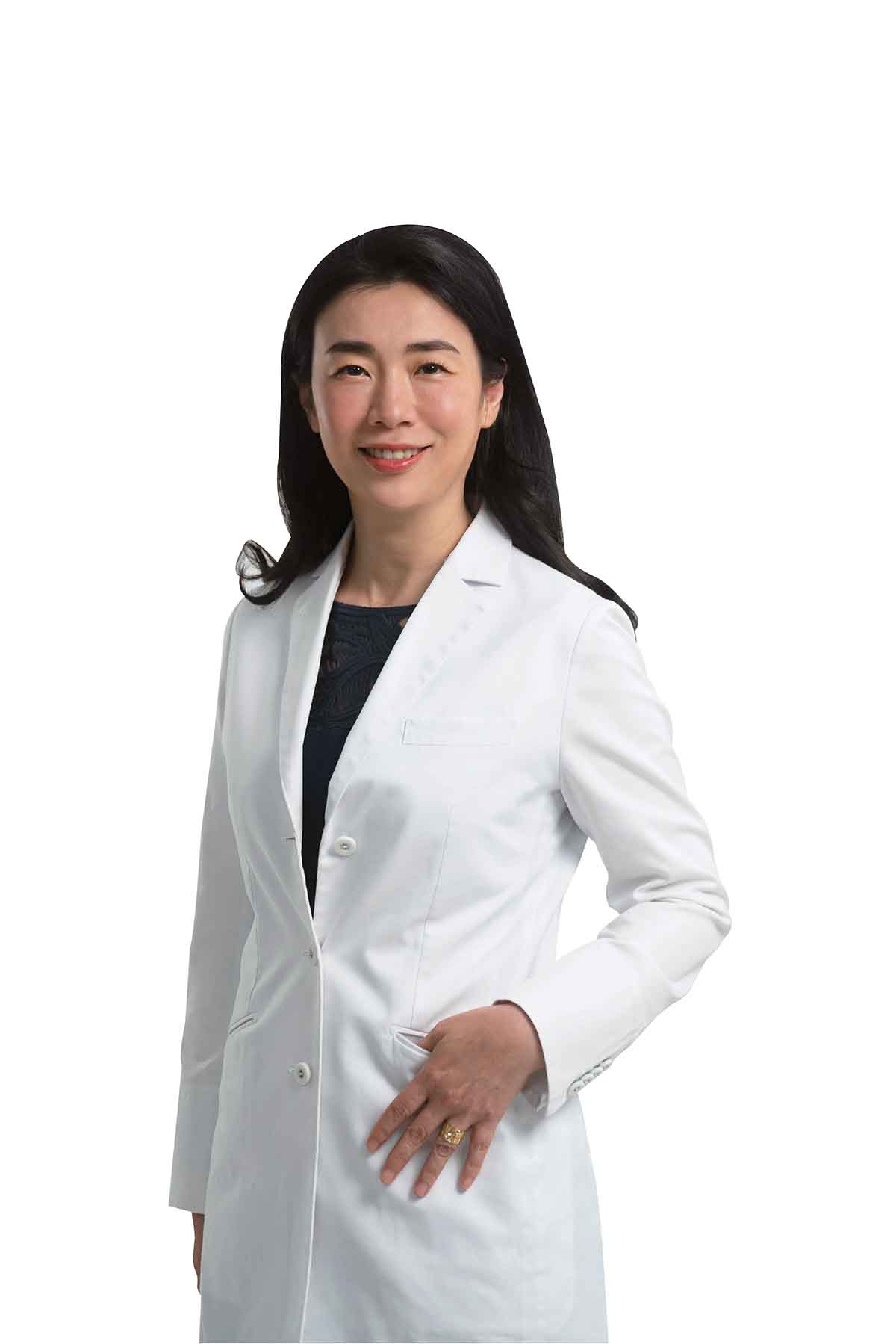
從財經媒體專欄到投資趨勢分析,甚至一場又一場官方或民間研討講座,無不以「永續ESG」為議題,帶到環保、社會責任與企業治理,然而一個「在滿足人類需求與未來發展時,能同時保持環境平衡與和諧」的大哉問前,對於普羅大眾更像是紙上談兵,明明切身重要卻更感虛無遙遠,因此林蓁醫師從「人」出發,以一個城市居者、一個地球公民、一個環境關心者的角度,成立「台灣永續經營發展協會」,為你我身處的日常與城市,帶來有感的和諧與創新。
From financial columns to investment trend analyses, and even official and private sector seminars, the topic of “sustainable ESG” is always brought up in environmental protection, social responsibility and corporate governance. However, the great question of “meeting human needs and future development while maintaining a balanced and harmonious environment” is more like an empty talk to the general public, which is obviously very important but feels rather remote. Therefore, Dr. Lin Chen has established the “Taiwan Sustainable Development Association” from the perspective of a “human being”, as a city dweller, a global citizen, and an environmental caregiver, in order to bring a sense of harmony and innovation to the everyday life and city we live in.
企業與建築設計領軍 永續思維落實
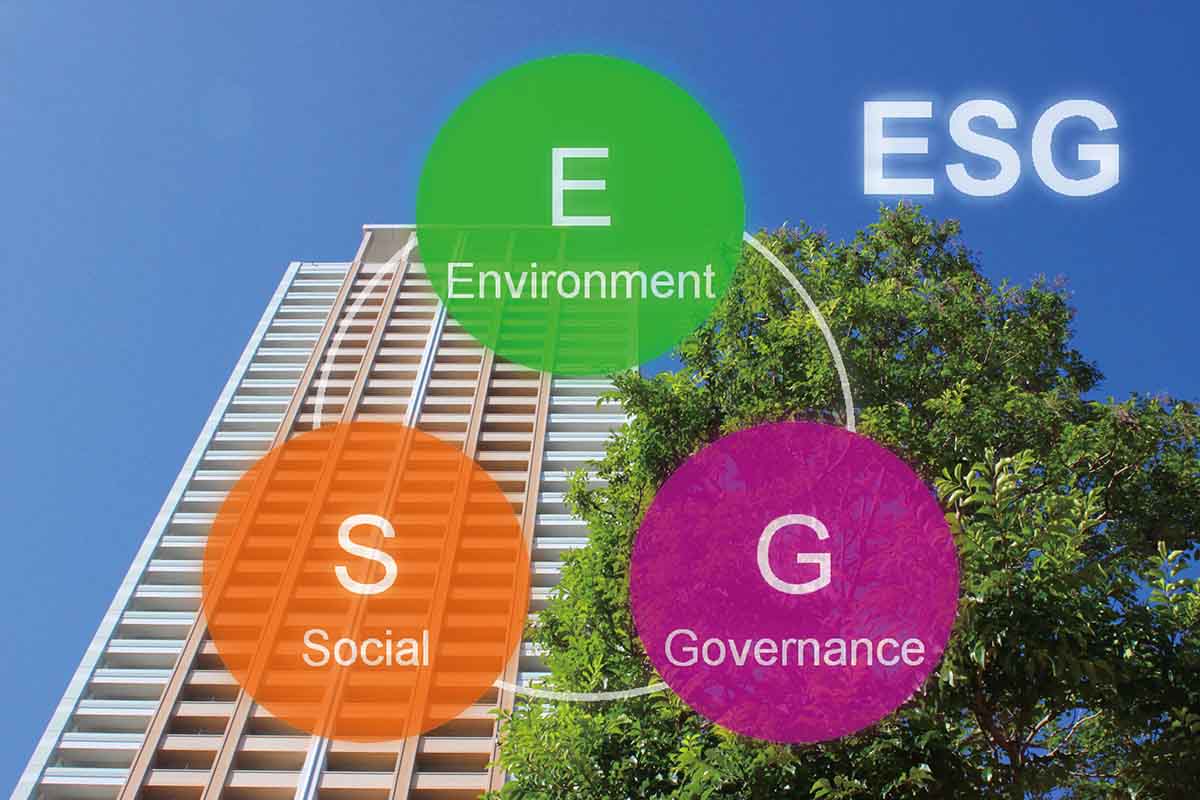
隨著2050 年與國際同步達到「淨零排放」的腳步愈近,意即在全球暖化乃至ESG永續議題(Environment Social Governance )上台灣必須拿出因應對策,首先是企業在進行轉型上必須將ESG視為核心政策,因為無論投資方或合作方首先將會根據ESG的落實與執行指數來評估未來一切合作意向,以國內保健食品龍頭葡萄王生技集團為例,第二代曾盛麟董事長著手的轉型,不只是為老企業導入讓日常營運業務可高效整合並執行的ERP(企業資源規劃)數位革命,更從企業從長期永續經營到綠色環保政策提早佈局,承諾 2035 年之前 100%使用再生能源,以企業之力透過友善環境來實踐正向社會影響力。
建築與企業一樣,對於環境與社會都是巨大的存在,從建程到使用,在在與環境息息相關,因此大型建案、公共建設、校園建築早被要求尊重自然與環境,逢甲大學建築專業學院院長黎淑婷指出「 除了師法自然的節氣建築,建築人更應該走向所謂的『建築整合』, 儘量縮小自己的主觀意識,放大對大自然環境的尊重,並且因地制宜、 發揮創意,才能夠對人負責、對土地負責。」,落實在設計規劃層面,應依循「綠建築」標準,並儘量選用符合「再利用、減少、 封存」原則的低隱含碳材料,2050 年達到超過 85% 既有建築為零碳建築的里程碑。
然而回歸到你我的生活,作為地球公民的一份子,永續又代表什麼?我們也想做到永續,有什麼是城市居民切身有感的議題與行動,作為菁英分子的醫師又能如何結合專業力量為社會盡份心力?林蓁理事長突破舒適圈與慣性思維,台灣永續經營發展協會所關切的議題與舉辦的活動講座,會讓人感到切身又有感。「No ESG, No Business」的同時,金融機構也開始推動「No ESG, No Money」,「不減碳就不借錢」,這在碳排量高又具備銀行貸款高需求的建築業界,簡直炸鍋了!
Corporate and Architectural Design Leading the Way in Sustainable
Thinking
As the time of achieving “net-zero emissions” by 2050 is approaching, it means that Taiwan must come up with a response to global warming and even ESG sustainability issues (Environment Social Governance). First of all, ESG must be considered as a core policy in the company transformation, because both investors and partners will evaluate all future cooperation intentions based on the ESG implementation and execution index. Take the domestic health food leader, Grape King Biotech Group, as an example. The transformation initiated by the second-generation Chairman Zeng Sheng-lin not only introduces the ERP (Enterprise Resource Planning) digital revolution for the old enterprise to enable efficient integration and execution of daily operations, but also makes early preparations for long-term sustainable management and green environmental protection policies. They are committed to using 100% renewable energy by 2035, and making a positive social impact by being environmentally friendly through corporate efforts.
Buildings, like businesses, are a huge part of the environment and society. From construction to use, they are closely related to the environment. So large projects, public buildings, and campus buildings have long been required to protect nature and the environment. Li Shu-ting, Dean of College of Architecture, Feng Chia University, pointed out that “in addition to solar terms buildings that follow nature, the architects should move towards the so-called ‘architectural integration’, as much as possible to reduce their own subjective consciousness and to enlarge the respect for the natural environment. We should adapt to local conditions and give full play to creativity, in order to be responsible for people and the land.” In the design and planning aspect, we should follow the “green building” standard and use as many low hidden carbon materials as possible in accordance with the principle of “reuse, reduction, and storage” to reach the milestone of over 85% of existing buildings being zero carbon buildings by 2050.
But when it comes back to our lives as global citizens, what does sustainability mean? We also want to participate in sustainability, so what are the issues and actions that urban dwellers can personally relate to? And how can she, as an elite physician, combine her professional strengths to do her part for society? President Lin Chen steps out of the comfort zone and conventional thinking. The issues and seminars organized by the Taiwan Sustainable Development Association will be relevant and meaningful to people.
打破舒適區,以專業投身和諧創新議題
聯合國對於永續發展的定義出自於布倫特蘭委員會的《我們共同的未來》報告:「既能滿足我們現今的需求,又不損害子孫後代,能滿足他們的需求發展模式。」從建設到經濟的現行發展,不能再把地球視為「只提不存」提款機,溫室效應所帶來的酷熱與嚴寒極端氣候惡果,在我們這一代已然顯現,更遑論對後代影響,企業與國家的發展亦然,當我們在著手發展、提升和創造當代的同時,不能以降低後代福祉為代價,因經濟發展所形成的環境破壞,最終所危害的將是全體人類。如此迫切的議題,其實跟你我是切身相關的,因此作為現世的專業中堅世代,也曾熱衷針貶時事,然而若是能善用自身資源,集合更多的民間力量,化高談闊論為向善實踐力量,從「我繳了稅,政府就該幫我解決什麼?」到「我主動可以為社會做些什麼」,突破舒適圈之後,原本作為社會菁英只專注自我專業的醫師族群,也可以發散影響力,林蓁醫師即是在此理念下成立「台灣永續經營發展協會」,以非營利公益性社會團體,集合一群醫師、企業家及熱心民間人士,以促進台灣社會永續經營發展為主要宗旨,推動和諧創新的城市議題。從宏觀到微型,貫徹永續精神,相較於企業與政府,屬於個人的力量也許尚稱微小,卻是最易實踐的著力點。
Stepping out of the Comfort Zone and Engaging Professionally in Harmony
and Innovation Issues
The United Nation’s definition of sustainable development is taken from the Brundtland Commission’s “Our Common Future” report: “A development model that meets our present needs and future generation needs without harming them.” From construction to current economic development, we can no longer treat the earth as an ATM for the infinite withdrawal but no deposit. The extreme climatic consequences of heat and cold brought about by the greenhouse effect is already evident in our generation, not to mention the impact on future generations. The same applies to the development of businesses and nations. We focus on developing, enhancing, and creating the contemporary economy, but all of these cannot be at the expense of the well-being of future generations. The environmental damage caused by economic development will eventually endanger all human beings. Such an urgent issue is actually relevant to you and me. Therefore, as the professionals of the current middle generation, we have also been keen on pinpointing critical issues. If we can make good use of our own resources and gather more people’s power, we can turn the high-sounding talk into the power of good practice, turning the thought of “I pay taxes, what should the government do for me? to “What can I do for society on my own initiative?” After stepping out of the comfort zone, the physician community, the elite of society, which was originally focused only on their own profession, can also have influence. With this in mind, Dr. Lin Chen founded the Taiwan Sustainable Development Association, a non-profit social organization that brings together a group of physicians, entrepreneurs, and dedicated individuals to promote sustainable development in Taiwan and promote harmony and innovation in urban issues. From the macro level to the micro level, the power of the individual to implement sustainability may be small compared to that of corporations and governments, but it is the easiest way to implement.
有感永續 為你我生活城市多一分關懷
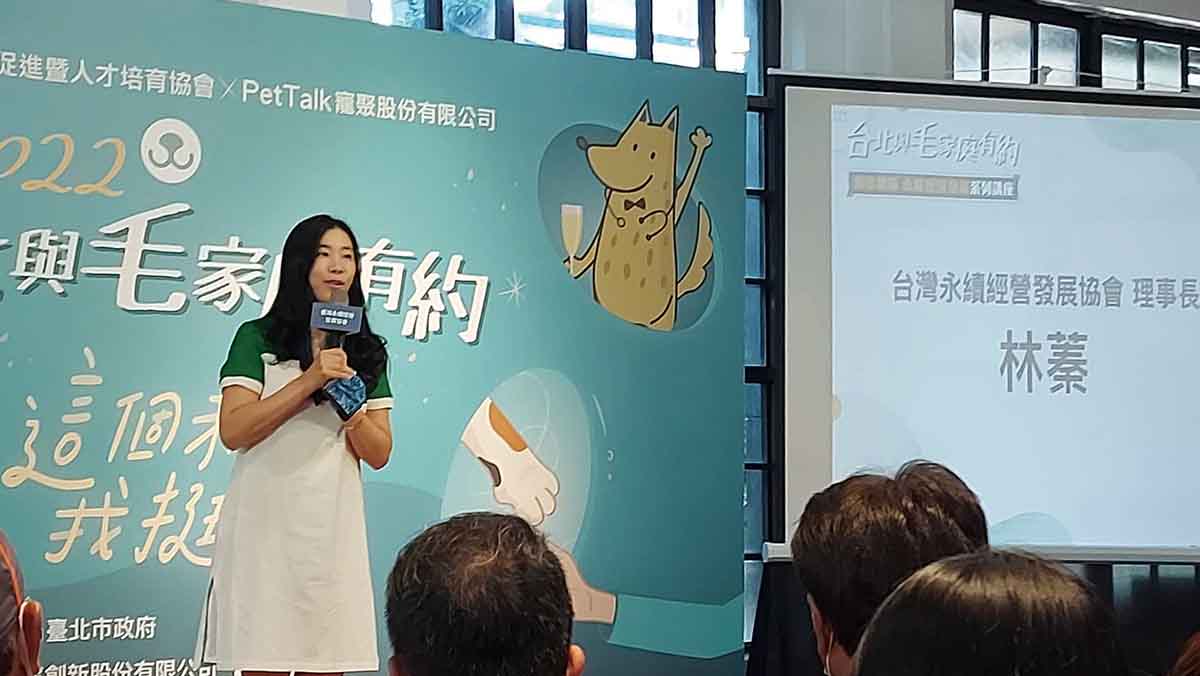
因此除了對醫療單位持續捐贈與感謝,台灣永續經營發展協會所舉辦的一系列講座非常貼近生活相關議題;「台北與毛小孩有約」座談會暢談現今寵物產業及動物保護政策規劃,當毛孩子在生育率急遽下降的今時今日,儼然成為我們家人,飼主教育、動物友善空間規劃、貓犬學校免費教育,甚至未來的醫療保健制定,皆需因應時勢,「你知道嗎?毛老人也會是即將到來重要課題」,每辦一次講座就成為該領域達人的林蓁理事長,積極而又熱情的挖掘不同的生活議題。「台北與自媒體有約」則是與時代趨勢接軌,探討從自媒體到與社會連結,如何創造雙贏的新收益模式,並將個人自身影響力擴散至市場中,從nobody成為領域中的somebody,人人可以成為有影響力的一份子,創造經濟營收之餘,更發揮正向與向善能量。
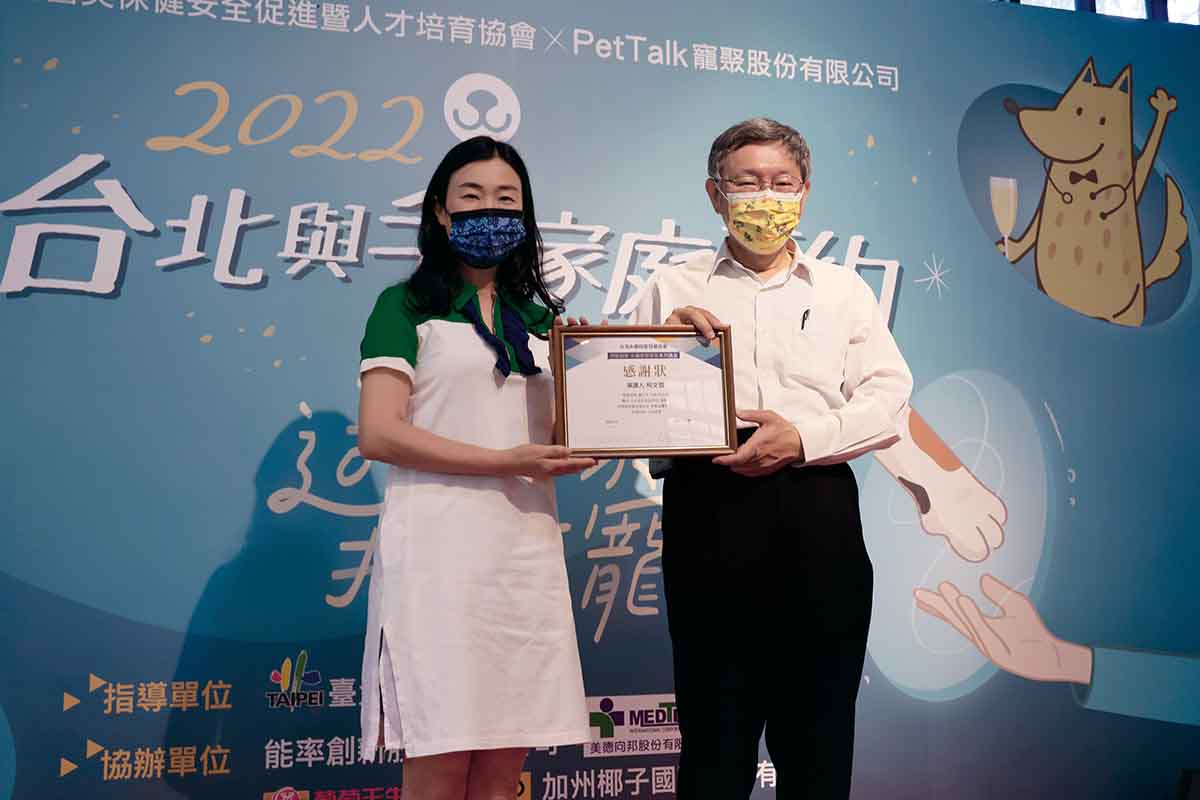
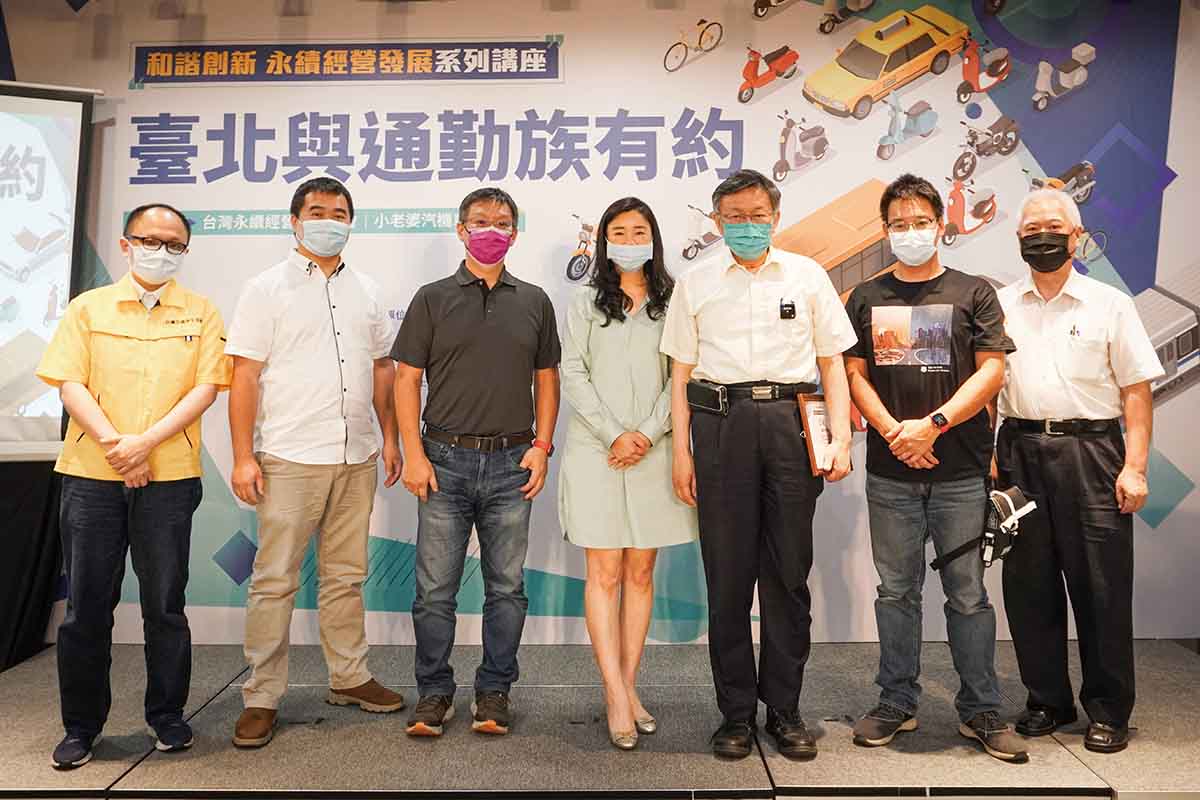
由首善之都的台北市大家長柯文哲市長來談「台北與通勤族有約」真心很有說服力與號召感,交通移動會產生巨大碳排放,因此綠運輸政策採「共享、綠能、e化、安全」為願景,納取市民日常所遇到交通狀況,未來的交通建設與整合規劃更便於大眾通勤族,綠運輸的落實讓人民更有感,原來每天的交通模式也能與ESG永續話題接軌,為保護環境所盡的節能減碳可以如此簡單易行。
「淨零碳排、碳中和建築是世界趨勢,台灣不可能被邊緣化,也不能不做,但台灣建築物的隱含碳比例仍遠高於全球平均值,建築師和相關工程技師們在此扮演相當重要的角色,在設計階段就應依循『綠建築』的標準,並儘量選用符合『再利用、減少、封存』原則的低隱含碳材料。」黎淑婷院長充滿信心地表示:「雖然2050全球淨零碳對建築界看似一條遙不可及的路,但我們必須攜手並進,堅持走下去,禁售燃料鍋爐、推廣熱泵、新建建築和舊建築翻新符合淨零標準……等等,在2050年達到超過85%建築為零碳建築的里程碑,讓我們透過永續發展ESG,重塑建築業定位、品牌與價值。」
Sense of Sustainability: A Little More Care for the City We Live in
in addition to providing continuous donations to medical institutions for presenting our gratitudes, the Taiwan Sustainable Development Association holds a series of seminars that are very relevant to issues related to our daily lives. The “Taipei and Furkids” seminar discussed the current pet industry and animal protection policy planning. Nowadays, the birth rate is decreasing rapidly, and furkids are just becoming our family members. Owner education, animal-friendly space planning, free education in cat and dog training schools, and even future health care development should be adapted to the current situation. “Did you know that the elderly furkids will also be an important issue in the future?” President Lin Chen, who has become an expert in this field with every seminar, actively and passionately explores different life issues. In line with the latest trends, the “Taipei and Self-Media” seminar explored how to create a new win-win revenue model from self-media to social connection, and how to spread one’s influence to the market, from nobody to somebody in the field. Everyone can be an influential member to create economic revenue and positive and benevolent power.
Mr. Ko Wen-Je, Mayor of Taipei City joined the “Taipei and Commuters” seminar, which is really convincing and appealing. Transportation generates huge carbon emissions. Therefore, the green transportation policy adopts the vision of “sharing, green energy, e-mobility, and safety” and incorporates the traffic conditions that commuters encounter on a daily basis, so that future transportation construction and integration planning will be more convenient for the commuting public. The implementation of green transportation will make people realize that their daily transportation patterns can be aligned with ESG sustainability issues, and that energy saving and carbon reduction for environmental protection can be so simple and feasible.
與年輕有約 以永續作為世代間的和諧傳承
如同企業的永續需涵蓋良性與健康的持久傳承,建築的永續性要思考與自然的和諧共處,永續發展更像是跟未來世代的對話,現今的蓬勃發展需與未來共享繁榮與和平,我們與年輕世代的對談不也正是如此?接下來「台北與年輕有約」系列活動是台灣永續經營發展協會的下階段重頭戲,就教育、就業銜接、身心靈健康、藝術風潮主題,來理解大學生對教育與環境的永續態度,中堅世代的所作所為是否被未來世代認同?未來世代是否願意延續現今主流,讓永續能夠審視而為,隨趨勢保持謹惕與彈性,擁抱改變,非淪於一時話題,才是真正的持續與盡善。
透過林蓁理事長的持續推動,看到了與日常有感的永續議題,也提供一條易懂又簡單好做的執行準則,在企業與建築設計的宏觀面向下,眾志成城的個人力量亦不容忽視,甚而成為另一條實踐主流,尤其經歷疫情之後,發現台灣的可親可愛,值得向善創新的和諧能量去珍視以待,在所有的當代發展都不再損壞另一部分人利益前提下,永續為切身環境打下持久優質的延續與傳承。
A Promise to the Youth: Sustainability as a Harmonious Legacy between
Generations
Just as corporate sustainability needs to include a lasting legacy of goodness and health, architecture sustainability needs to consider harmony with nature, sustainable development is more like a dialogue with future generations. Today’s prosperity and peace must be shared with future generations. Isn’t that what our dialogue with the younger generation is all about? The upcoming event of the “Taipei and the Youth” series is the next focus of the Taiwan Sustainable Development Association. We will discuss the themes of education, career transfer, physical, mental and spiritual health, and art trends, in order to understand university students’ sustainable attitudes toward education and the environment. Are the actions of the middle generation recognized by future generations? Is the future generation willing to continue the mainstream of the present? Sustainability is truly sustainable and beneficial when we are able to assess the situation, keep up with the times, remain vigilant and flexible, and embrace change rather than relegate it to a temporary topic.
Through President Lin Chen’s continued advocacy, we have discovered sustainability issues that are relevant to everyday life, which also provides an easy-to-understand and easy-to-follow guideline for implementation. Under the macrocosm of corporate and architectural design, the power of the individual to make a difference cannot be ignored, and has even become another mainstream practice. Especially after the pandemic, we find that Taiwan is a lovely place to live, and deserves to be treated with a harmonious power of goodness and innovation. Under the premise that all contemporary developments are no longer at the expense of other people, a sustainable and quality continuity and legacy for our own environment will be established.
圖片提供/林蓁、AC 撰文/杜玉婷